Get Arborist Pruning
Arborist pruning services help property owners maintain tree health, remove hazardous branches, shape trees, and improve safety through skilled trimming and pruning projects.
Arborist pruning services are essential for maintaining the health, safety, and appearance of trees on residential and commercial properties. Proper pruning can help prevent potential hazards, promote vigorous growth, and enhance the overall landscape. Property owners in the area often explore professional pruning to ensure their trees remain strong and attractive, especially as part of ongoing property upkeep or specific landscaping projects. By considering local contractors with experience in arborist services, property owners can find tailored solutions that meet their unique needs.
Choosing the right service provider involves comparing options among skilled local contractors who specialize in tree pruning. This process allows property owners to evaluate the expertise and approaches available, ensuring they select a provider capable of handling their specific project requirements. Continuing to explore local options can lead to informed decisions that support the long-term health and safety of trees and the overall value of the property.
- Tree Pruning - needed to remove dead or overgrown branches that threaten tree health or safety.
- Shaping and Crown Reduction - required to maintain the desired size and appearance of trees in residential or commercial landscapes.
- Emergency Tree Pruning - necessary after storms or severe weather to address damaged or hazardous branches.
- Fruit Tree Pruning - important for improving fruit production and overall tree structure in orchards or gardens.
- View Enhancement Pruning - performed to clear obstructive branches and improve visibility around properties.
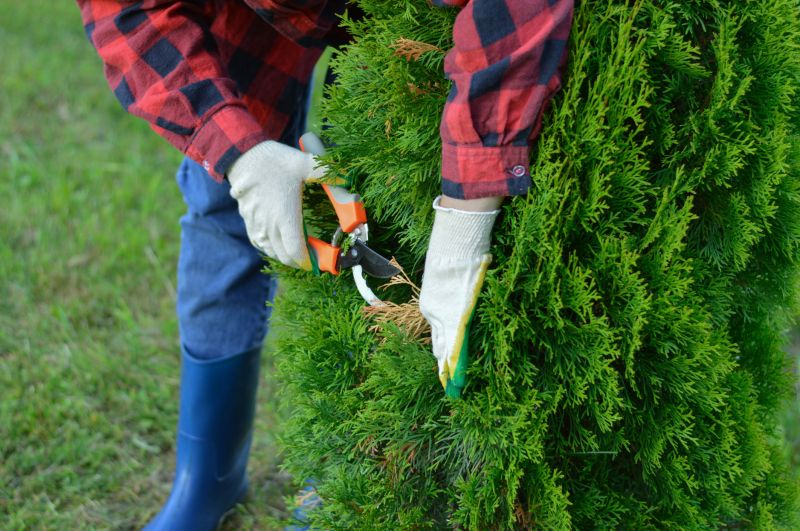
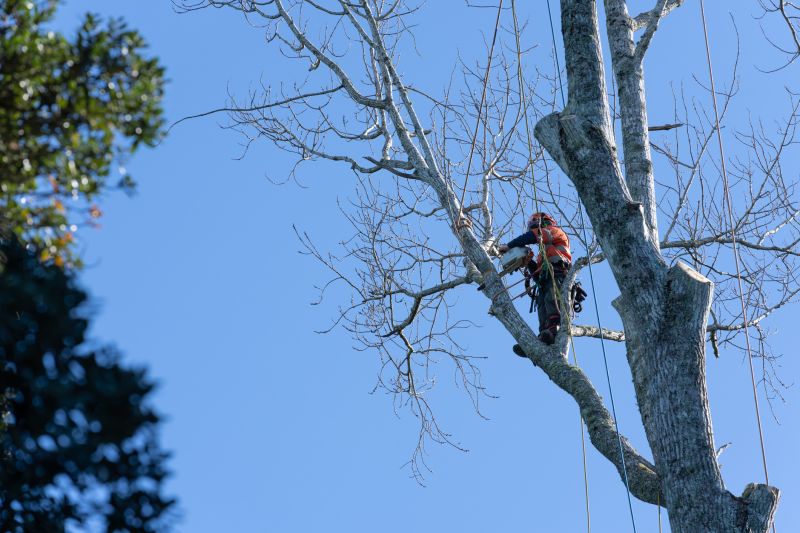
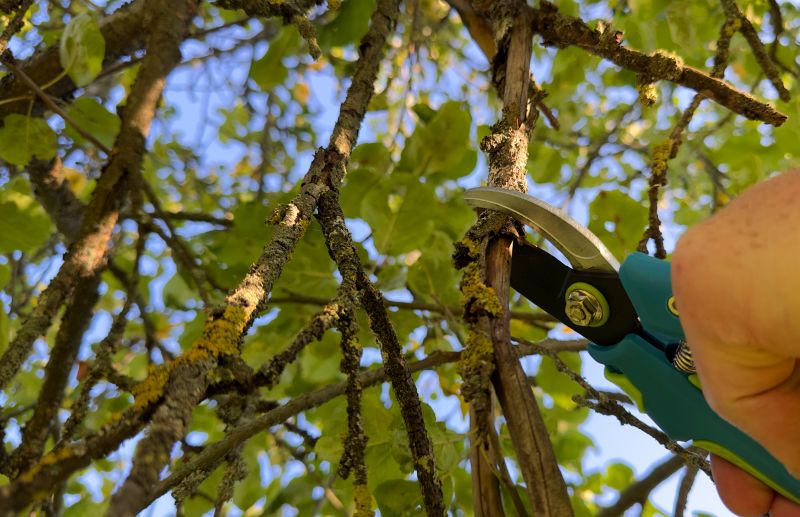
Arborist pruning services involve carefully trimming and shaping trees to promote their health and appearance. Skilled service providers assess each tree’s structure, identifying branches that may be dead, diseased, or crossing, and then prune them to prevent potential issues. This process not only enhances the tree’s natural form but also helps improve airflow and sunlight penetration, which can reduce the risk of fungal infections and other health problems. Proper pruning is an essential part of ongoing tree care that ensures trees remain strong and vibrant over time.
These services are particularly helpful in addressing common problems such as overgrown branches that interfere with structures or power lines, branches that pose a risk of falling during storms, or trees showing signs of disease or decay. Regular pruning can prevent potential damage to property and improve safety around the property. Additionally, pruning can stimulate new growth, making trees look more attractive and maintaining their overall health. Service providers can tailor their work to meet the specific needs of each tree and property, whether it’s removing hazardous limbs or shaping trees for aesthetic purposes.
Property types that often benefit from arborist pruning include residential yards, commercial landscapes, parks, and public spaces. Homeowners may seek pruning services to keep their trees safe and visually appealing, especially in areas with children or frequent foot traffic. Commercial property managers and municipal parks departments often rely on professional pruning to maintain the safety and beauty of large, mature trees that provide shade and visual interest. Regardless of the property size or type, professional pruning helps ensure trees remain healthy, safe, and visually balanced.
Homeowners should consider arborist pruning services when they notice overgrown branches, dead or diseased limbs, or branches that are crowding structures or power lines. Regular pruning also benefits trees that have become misshapen or are growing in undesirable directions. If a tree’s appearance has become unbalanced or if branches are interfering with visibility or access, professional pruning can restore its health and form. Contacting local contractors can provide the expertise needed to address these issues effectively, helping to maintain a safe and attractive outdoor environment.
The overview below groups typical Arborist Pruning projects into broad ranges so you can see how smaller, mid-sized, and larger jobs often compare in your area.
In many markets, a large share of routine jobs stays in the lower and middle ranges, while only a smaller percentage of projects moves into the highest bands when the work is more complex or site conditions are harder than average.
Smaller Pruning Jobs - typical costs range from $150 to $600 for routine trimming and light pruning on smaller trees. Many standard jobs fall within this range, depending on tree size and complexity.
Moderate Tree Pruning - for more extensive pruning of larger trees or multiple trees, costs generally range from $600 to $1,500. These projects are common for maintaining health and appearance.
Large or Complex Pruning - larger, more intricate pruning projects can cost between $1,500 and $3,000, especially when access or safety measures are involved. Fewer projects reach into this higher range.
Full Tree Removal or Major Work - complete removal or very complex pruning can exceed $3,000, with larger, more challenging projects reaching $5,000+ in some cases. These are less common but necessary for significant tree health or safety issues.
Actual totals will depend on details like access to the work area, the scope of the project, and the materials selected, so use these as general starting points rather than exact figures.
Tree Removal - involves the use of similar pruning tools and techniques to safely remove unwanted or hazardous trees from properties.
Stump Grinding - requires precise use of grinding equipment and planning to effectively eliminate tree stumps after pruning or removal.
Land Clearing - involves removing multiple trees and shrubs, utilizing pruning and cutting skills to prepare sites for development or landscaping.
Ornamental Tree Trimming - focuses on shaping and maintaining the health of decorative trees, using similar pruning methods and tools.
Hedge Trimming and Shaping - involves detailed cutting and shaping techniques that share skills with pruning larger trees for aesthetic purposes.
Fruit Tree Pruning - requires specialized knowledge of pruning to promote healthy growth and maximize fruit production, similar to arborist pruning practices.
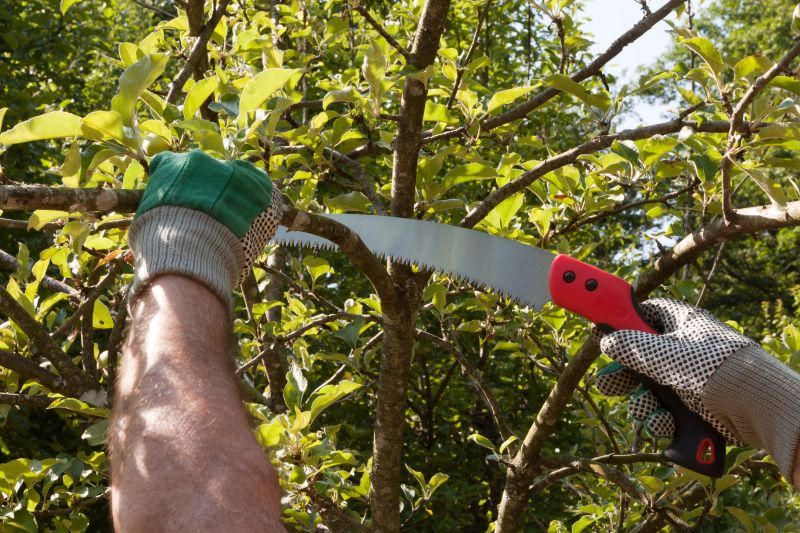
When comparing arborist pruning services, it’s important to consider the experience of local contractors with similar projects. Homeowners should look for service providers who have a proven track record of handling trees comparable in size, species, or condition to their own. Asking about the types of pruning jobs they’ve completed can provide insight into their expertise and confidence in managing the specific needs of your trees. This helps ensure that the selected professional has relevant hands-on experience, which can contribute to a successful outcome.
Clear written expectations are essential when evaluating local arborist pruning services. Homeowners should seek service providers who can offer detailed descriptions of their approach, the scope of work, and any recommendations for ongoing tree care. Having a transparent outline of what the project entails helps prevent misunderstandings and ensures that both parties are aligned on the goals. It’s also beneficial to request a written estimate or proposal that lays out the work to be performed, so expectations are clearly documented before any work begins.
Reputable references and effective communication are key factors in choosing a dependable local contractor. Homeowners can ask potential service providers for references from previous clients who had similar pruning work done. Listening to feedback about the contractor’s professionalism, reliability, and quality of work can aid in making an informed decision. Additionally, good communication-such as prompt responses to inquiries and clarity in discussing project details-indicates a contractor’s commitment to customer service. Since this site introduces homeowners to local options rather than performing the work itself, it’s advisable to contact multiple service providers to compare their experience, expectations, and communication style before making a selection.
Property owners use Arborist Pruning services for practical projects around their homes and businesses. This guide focuses on everyday jobs and straightforward project options.
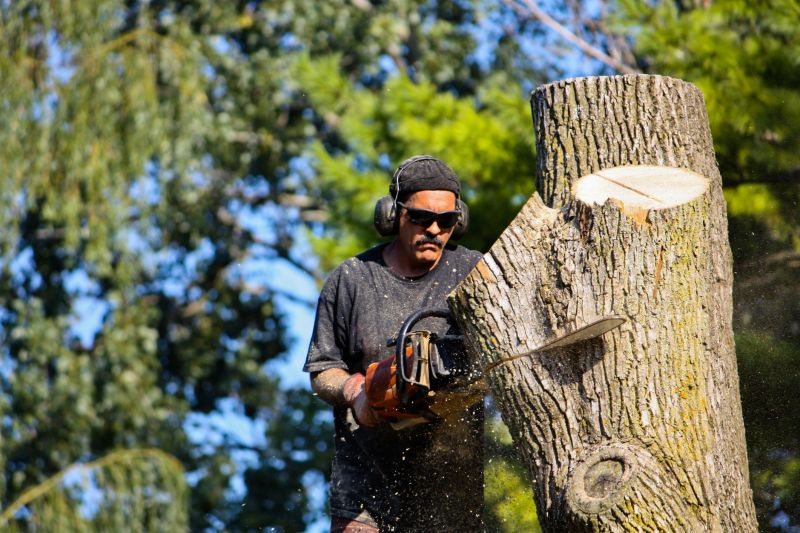
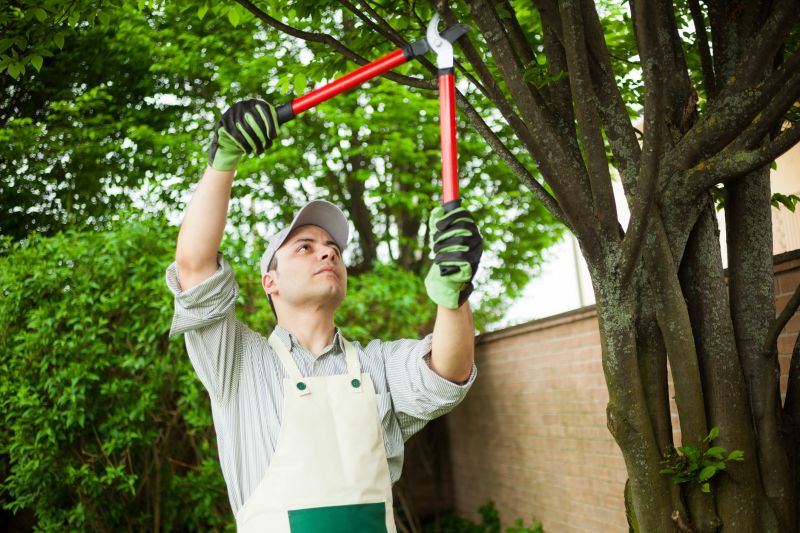
Arborist pruning services are often sought after when property owners need to maintain the health and appearance of their trees. Common situations include removing dead or diseased branches that pose a risk of falling, shaping trees to improve their structure, or reducing the size of overgrown limbs that interfere with power lines, buildings, or outdoor spaces. Local contractors can help ensure trees are properly pruned to promote growth, prevent damage, and enhance the overall aesthetics of residential or commercial properties.
Additionally, property owners may look for pruning services to prepare trees for seasonal changes or to address safety concerns. Overgrown branches that hang too low or are close to walkways can create hazards, while trees with weak or leaning branches might require professional attention to prevent potential accidents. Service providers in the area can handle these everyday projects, helping maintain safe and attractive outdoor environments.
What is arborist pruning? Arborist pruning involves trimming and shaping trees to promote healthy growth, remove dead or dangerous branches, and improve overall tree structure.
Why should I consider professional pruning services? Hiring local contractors ensures that pruning is performed safely and effectively, helping to maintain the health and appearance of trees on your property.
What types of pruning do arborists perform? Arborists can perform various pruning types including crown thinning, crown reduction, deadwood removal, and structural pruning to suit different tree needs.
How can I find experienced arborist pruning services nearby? You can contact local service providers who specialize in tree care and pruning to compare options and select a qualified contractor.
What should I look for in a professional arborist pruning service? Look for local contractors with a good reputation, experience in tree trimming, and the ability to handle the specific pruning needs of your trees.
Tree Shape and Health Optimization - Proper pruning helps maintain the natural shape of trees while promoting healthy growth and reducing disease risk.
Safety Clearance and Obstruction Removal - Pruning can clear branches that interfere with walkways, power lines, or structures, enhancing safety around the property.
Property Appearance Enhancement - Regular trimming keeps trees looking tidy and well-maintained, improving curb appeal for the home or business.
Storm Damage Prevention - Pruning weak or overgrown branches can reduce the likelihood of damage during storms or high winds.
If you are thinking about Arborist Pruning for a property, this guide is meant to help you understand the work, the typical project types, and how different options might fit your plans.
When you are ready, you can use the quote form on this page to share a few details about your project. From there, local pros can review the basics and respond with options that match what you have in mind.